Climate Variability
-
When It Isn’t As Humid As It Feels: Surface Dewpoint and Adaptability in a Changing Climate
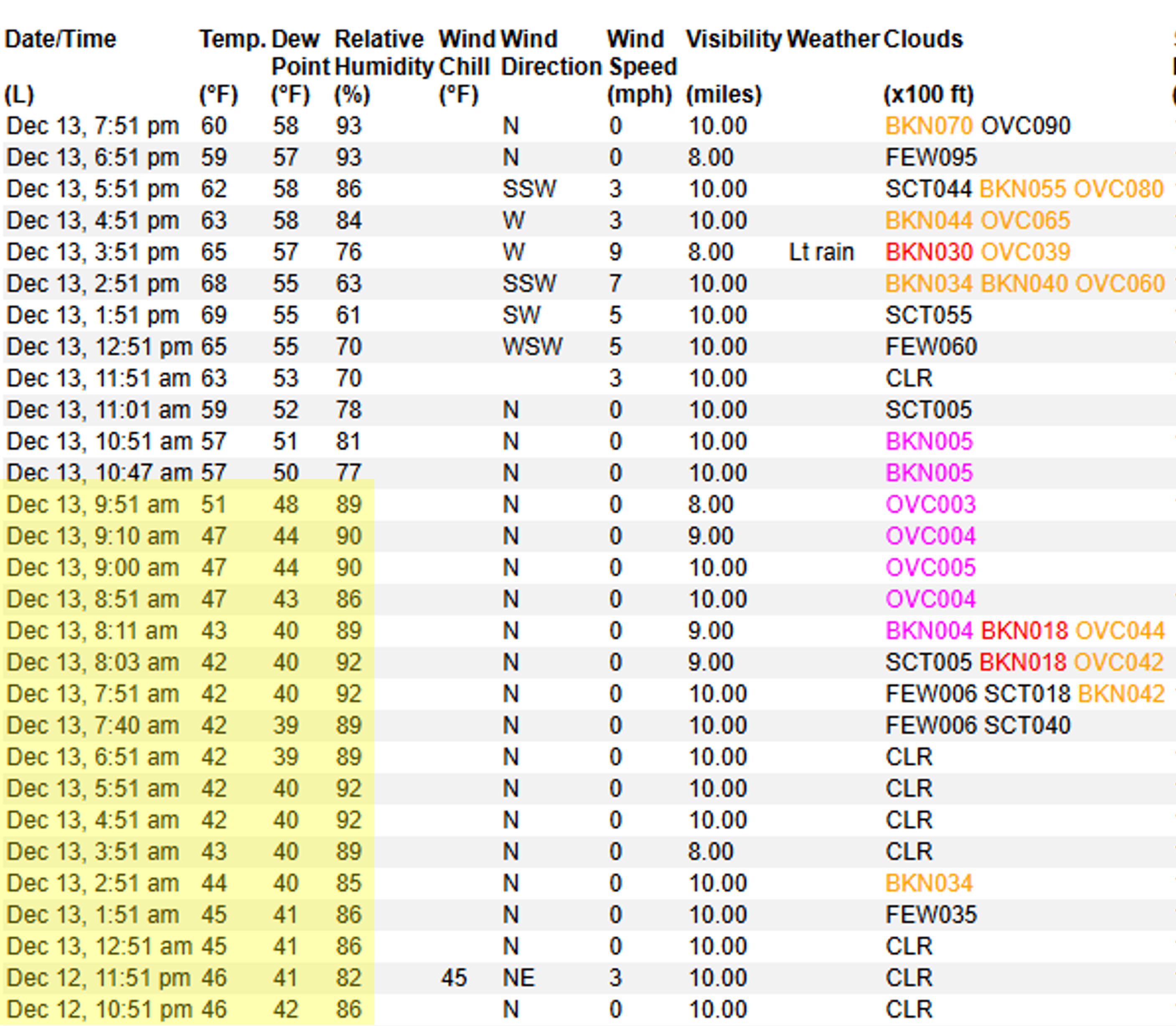
Introduction I’ve lived in the Deep South for a few years. It can get pretty humid here. But usually, by the time October and November roll around, the air dries out. Winters are usually pleasant for this transplanted northerner, and even if the dewpoint temperature rises during the cool season, it remains tolerable. But in… Continue reading
-
How Autumnal Snow Cover in Siberia Really Relates to Cold Winters (Weather Explained #4)
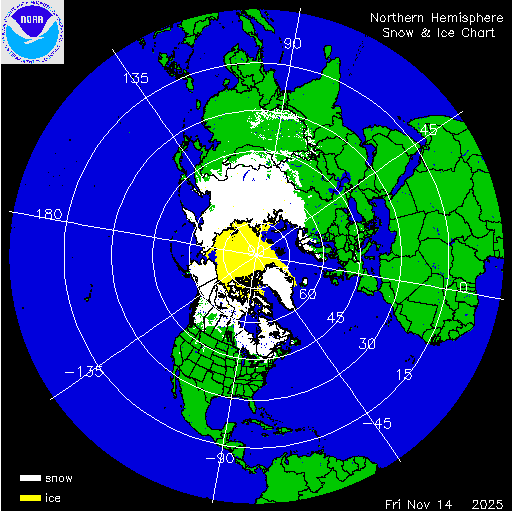
Eurasian snow cover, tropical convection, and stratospheric dynamics form an interlinked system shaping midlatitude winters. This article examines recent research—including Cohen et al. (2021) and Gastineau et al. (2017)—to show when early snow growth strengthens the polar vortex connection and when it fails to. Continue reading
Arctic air, Arctic amplification, Arctic variability, downstream amplification, ENSO, Eurasian snow, Eurasian snow correlation, jet stream, Judah Cohen, La Niña, Madden–Julian Oscillation, MJO, planetary waves and polar vortex, polar vortex, polar vortex explained, Rossby waves, Science 2021, snow cover, snow cover and cold winters, stratosphere-troposphere coupling, stratospheric warming, weak La Niña forecast, winter forecast 2025 2026, winter temperature anomalies -
The Polar Vortex Explained: Why Winter 2025–2026 Could Bring Repeated Arctic Outbreaks (Weather Explained #3)

A surge of Arctic air next week marks the season’s first polar vortex episode. This post explains how the vortex forms and breaks down, why the eastern U.S. often feels its chill, and what current signals reveal about jet shifts, solar activity, and a dynamically active winter ahead. Continue reading
Arctic air outbreak, Arctic amplification, atmospheric circulation, atmospheric dynamics, climate variability, cold air outbreak, eastern U.S. cold, global circulation patterns, jet stream, jet stream shifts, Meteorological Cosmology, polar vortex, polar vortex explained, Rossby waves, Siberian snow cover, solar and magnetic influences, solar cycle 25, stratospheric warming, troposphere–stratosphere coupling, winter 2025–2026, winter weather science