Weather Explained
-
Hot Pavement, Dry Air: The Process-Based Physics Behind Cloud Dissipation Over An Airport (Weather Explained #5)
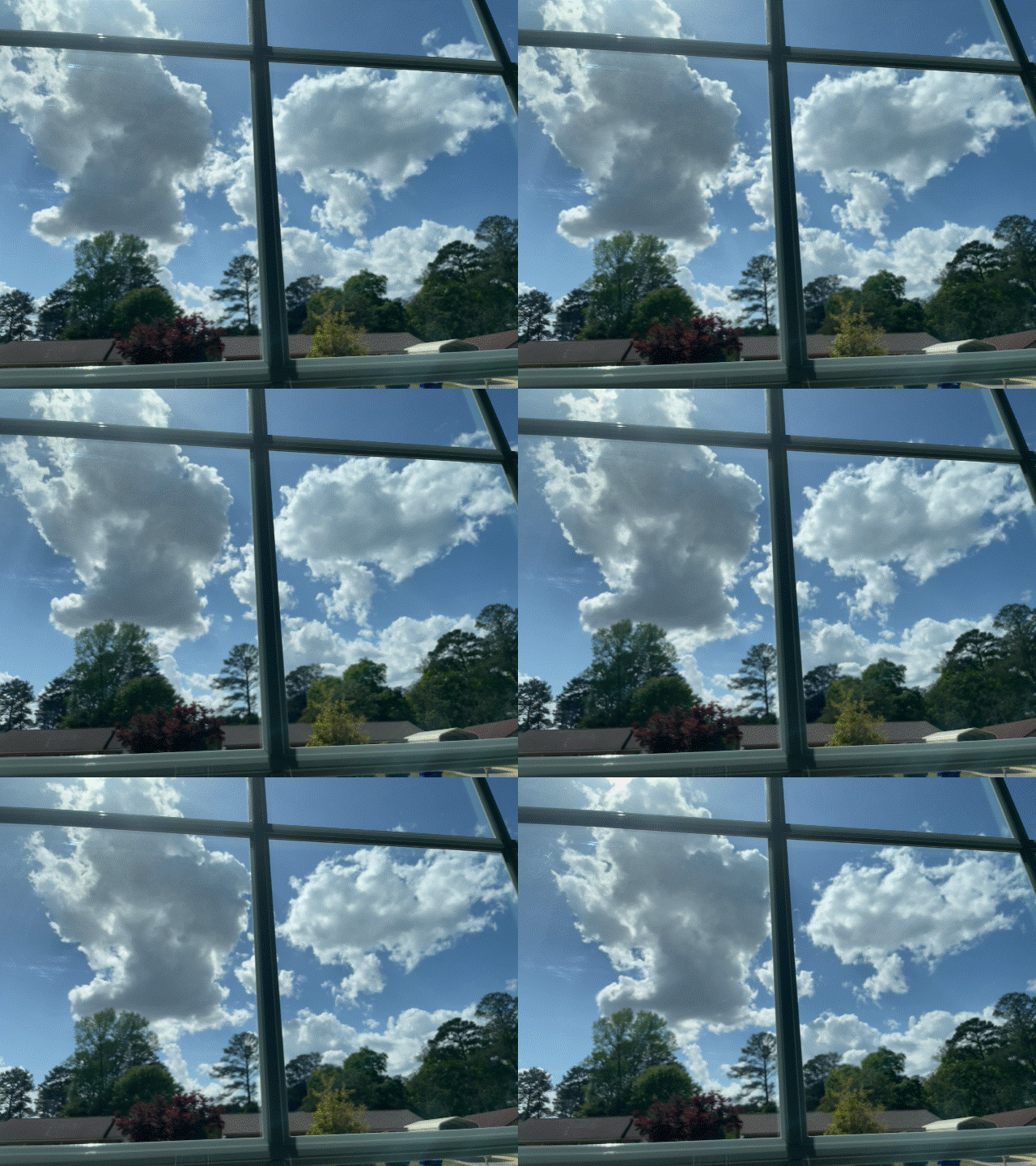
Introduction Airports, even small ones, act as localized sources of heat and disrupt the moisture balance near the surface. But how can something so limited in scale produce visible, immediate effects on clouds overhead? I found out on April 2, 2026. I set up my phone for a timelapse video (I had to do so… Continue reading
-
How Autumnal Snow Cover in Siberia Really Relates to Cold Winters (Weather Explained #4)
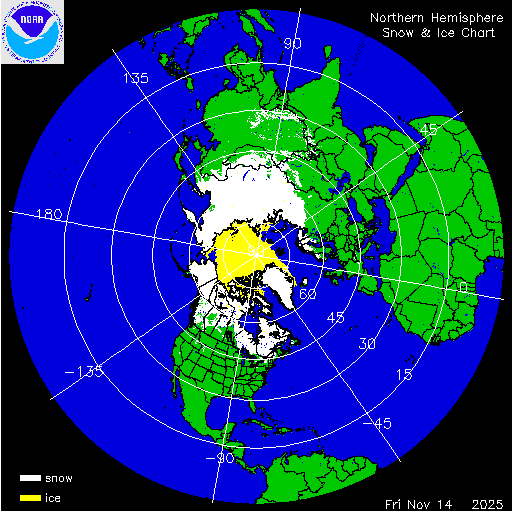
Eurasian snow cover, tropical convection, and stratospheric dynamics form an interlinked system shaping midlatitude winters. This article examines recent research—including Cohen et al. (2021) and Gastineau et al. (2017)—to show when early snow growth strengthens the polar vortex connection and when it fails to. Continue reading
Arctic air, Arctic amplification, Arctic variability, downstream amplification, ENSO, Eurasian snow, Eurasian snow correlation, jet stream, Judah Cohen, La Niña, Madden–Julian Oscillation, MJO, planetary waves and polar vortex, polar vortex, polar vortex explained, Rossby waves, Science 2021, snow cover, snow cover and cold winters, stratosphere-troposphere coupling, stratospheric warming, weak La Niña forecast, winter forecast 2025 2026, winter temperature anomalies -
The Polar Vortex Explained: Why Winter 2025–2026 Could Bring Repeated Arctic Outbreaks (Weather Explained #3)

A surge of Arctic air next week marks the season’s first polar vortex episode. This post explains how the vortex forms and breaks down, why the eastern U.S. often feels its chill, and what current signals reveal about jet shifts, solar activity, and a dynamically active winter ahead. Continue reading
Arctic air outbreak, Arctic amplification, atmospheric circulation, atmospheric dynamics, climate variability, cold air outbreak, eastern U.S. cold, global circulation patterns, jet stream, jet stream shifts, Meteorological Cosmology, polar vortex, polar vortex explained, Rossby waves, Siberian snow cover, solar and magnetic influences, solar cycle 25, stratospheric warming, troposphere–stratosphere coupling, winter 2025–2026, winter weather science -
Liquid Is Where the Energy Is: The Energetic Core of the Water Cycle (Weather Explained #2)
This post explores the importance of liquid water in atmospheric processes. It emphasizes how phase changes of water balance energy, supporting weather patterns and climate. Liquid water uniquely absorbs and releases heat, aiding moisture exchange, forming clouds, and maintaining organizational structures in the atmosphere, thus driving the continuous renewal of weather systems. Continue reading
-
Delicate Wisps in Equilibrium: How Lonely, Stray Cumulus Clouds Appear in Blue Sky (Weather Explained #1)
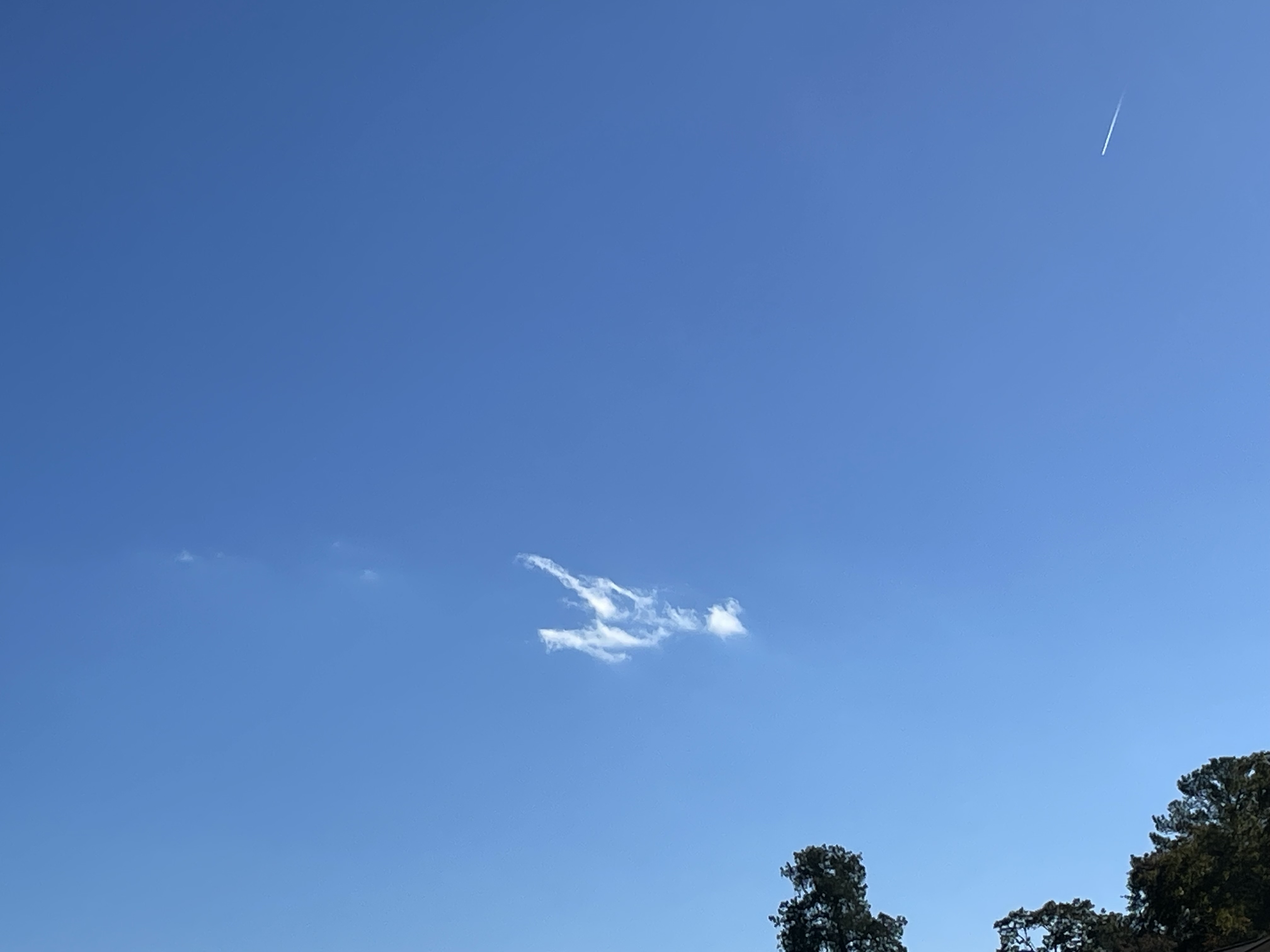
Stray cumulus clouds form when clean air, weak heating, and subtle feedbacks align just enough for condensation to appear. These delicate clouds are brief structures born from balance, where sunlight, moisture, and turbulence meet only momentarily before the sky returns to a brilliant blue. Continue reading